
Table of Contents
Introduction
Dinner. The word itself often conjures images of comfort, winding down, maybe even a little indulgence after a long day. But what lands on your plate when you're tired, pressed for time, or just craving something easy? Often, it's a parade of what we're here to talk about: unhealthy dinner ideas. We're not talking about the occasional treat night, because let's be real, life happens. We're talking about the regular suspects, the go-to meals that might taste good in the moment but are quietly doing a number on your well-being. Think processed convenience foods, excessive grease, mountains of refined carbs, and nutrient deserts disguised as meals. These choices aren't just calories; they're missed opportunities for fueling your body. They contribute to that sluggish feeling, the afternoon slump, and over time, more serious health issues. This article pulls back the curtain on some common and some surprisingly sneaky unhealthy dinner ideas. We'll dissect why they're problematic and lay out the real-world impact they have, not in some abstract future, but right here, right now. Get ready to look at your dinner plate a little differently.
Common Unhealthy Dinner Ideas Hiding in Plain Sight

Common Unhealthy Dinner Ideas Hiding in Plain Sight
The Jarred Sauce Deception
Alright, picture this. You're beat, it's 7 PM, and the idea of chopping anything feels like a marathon. You grab a box of pasta and a jar of sauce off the shelf, thinking, "Easy, done, somewhat healthy, right?"
Wrong.
Those jars, the ones plastered with pictures of plump tomatoes or fresh basil, are often Trojan horses.
They're loaded with added sugars you wouldn't dream of putting in your own pot, excessive amounts of sodium that send your blood pressure numbers sideways, and sometimes, questionable oils.
It tastes okay, sure, but you're essentially eating a sugar-salt bomb with a side of refined carbs.
It’s one of the classic unhealthy dinner ideas we fall for because it *looks* like cooking but skips all the good parts of controlling ingredients.
It's the convenience tax, and your body pays it.
The Pre-Packaged "Healthy" Meal Myth
Then there's the whole aisle of pre-packaged meals claiming to be your weeknight savior.
They promise balanced macros, often sport buzzwords like "protein-packed" or "low-carb," but read the fine print, or rather, the ingredient list.
You find a novel's worth of stabilizers, preservatives, artificial flavors, and a fat content that would make a diner cook blush.
The vegetables, if they exist, are often mushy and nutrient-depleted from processing and reheating.
These aren't meals; they're science projects designed for shelf life and mouthfeel, not actual nourishment.
Relying on these as regular unhealthy dinner ideas means you're consistently missing out on fiber, vitamins, and the satisfaction of real food.
It feels like a smart choice when you're staring down an empty fridge, but it's just another way convenience masks poor nutrition.
Here's a quick checklist of things often lurking in those "convenient" dinner options:
- High Fructose Corn Syrup or other added sugars
- Excessive Sodium (check the daily value percentage)
- Hydrogenated or Partially Hydrogenated Oils
- Artificial Colors and Flavors
- Thickeners and Gums (Carrageenan, Xanthan Gum, etc.)
- Minimal Fiber Content
Why These Unhealthy Dinner Ideas Are Sabotaging Your Health

Why These Unhealthy Dinner Ideas Are Sabotaging Your Health
The Immediate Crash and Burn
Let's be blunt: those quick, unhealthy dinner ideas hit your system like a sugar-fueled freight train, then drop you off a cliff.
Think about that processed pasta dish or the frozen meal packed with refined carbs and sugar.
Your body rapidly breaks down those simple sugars, spiking your blood glucose levels faster than a teenager spots a new TikTok trend.
Your pancreas pumps out insulin to deal with the sugar surge, and just as quickly, your blood sugar crashes.
That's the feeling of hitting a wall an hour or two after dinner, suddenly needing a nap or reaching for something else sweet to get back up.
You feel tired, maybe irritable, and definitely not ready to tackle anything requiring actual brain power.
This isn't just inconvenient; it's a metabolic rollercoaster that puts unnecessary stress on your system night after night.
The Long-Term Metabolic Fallout
Consistently choosing unhealthy dinner ideas doesn't just cause short-term energy dips; it sets you up for serious long-term problems.
When you feed your body a steady diet of excess sugar, unhealthy fats, and processed ingredients, you disrupt its natural processes.
This constant influx of nutrient-poor, calorie-dense food promotes chronic inflammation, the root cause of many diseases.
Your body starts storing the excess energy, primarily as fat, leading to weight gain, especially around the middle – the kind linked to heart issues.
Over time, this pattern can lead to insulin resistance, type 2 diabetes, high blood pressure, high cholesterol, and a significantly increased risk of heart disease and certain cancers.
It's not fear-mongering; it's just how the human body responds to being consistently mistreated at the dinner table.
Consider the trade-offs you're making:
- Instant gratification vs. sustained energy
- Convenience vs. nutrient density
- Palatability engineered by labs vs. real food flavors
- Increased disease risk vs. better health outcomes
- Feeling sluggish vs. feeling vibrant
Nutrient Deficiency in a Full Stomach
Perhaps one of the most insidious aspects of relying on unhealthy dinner ideas is that you can feel full, even stuffed, yet still be starving at a cellular level.
These meals are often devoid of essential vitamins, minerals, fiber, and beneficial plant compounds that your body needs to function optimally.
You're getting calories, sure, but not the building blocks for healthy cells, hormones, and neurotransmitters.
Imagine trying to build a house with only bricks and no mortar or wood – it's not going to stand for long.
Your body works the same way; it needs a full spectrum of nutrients to repair tissue, power your brain, support your immune system, and keep everything running smoothly.
A diet heavy in unhealthy dinner ideas leaves you vulnerable to deficiencies that can manifest as fatigue, poor concentration, weakened immunity, and a general feeling of "meh."
You're eating, but you're not truly nourishing yourself.
Beyond the Usual: Sneaky Unhealthy Dinner Ideas to Watch Out For
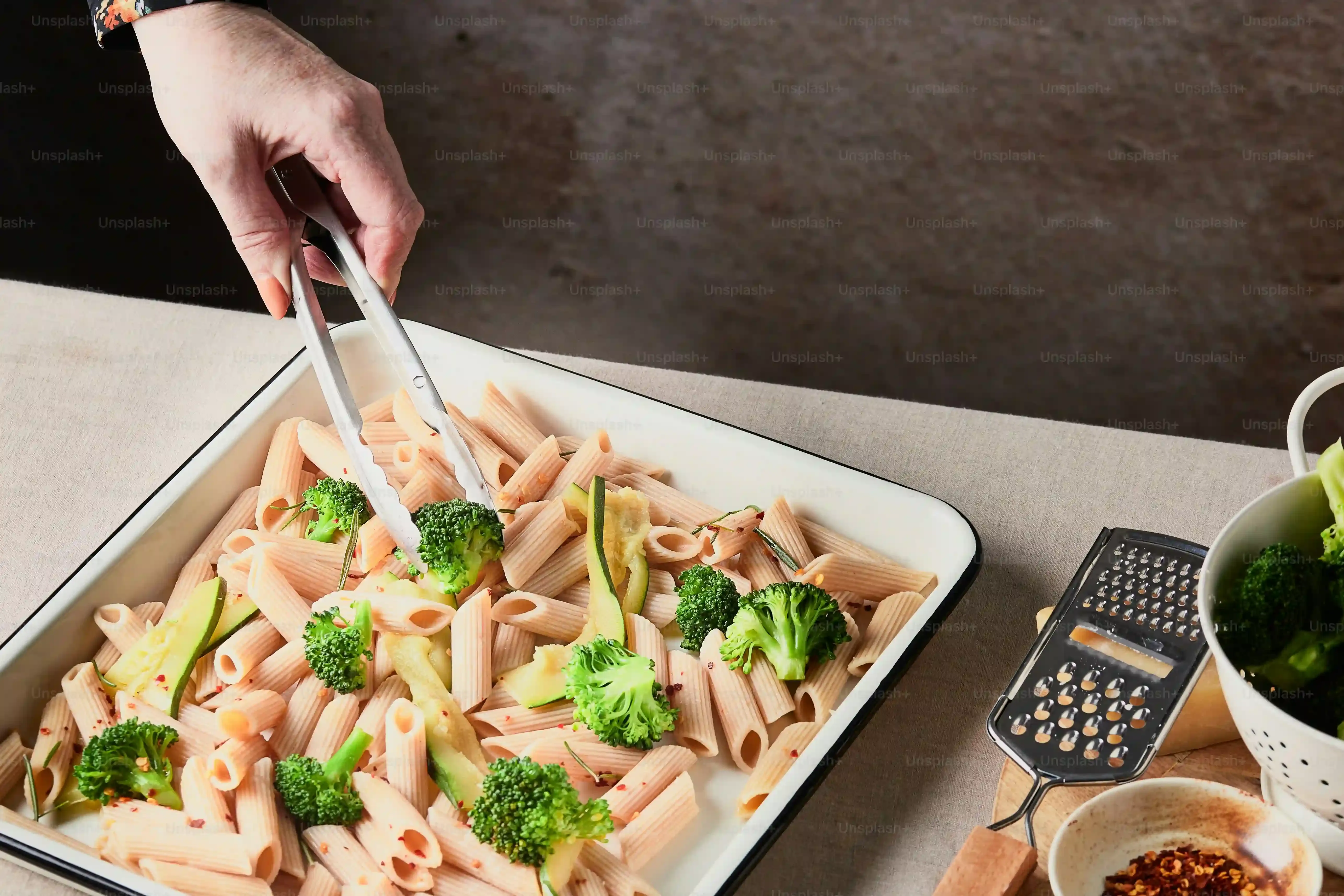
Beyond the Usual: Sneaky Unhealthy Dinner Ideas to Watch Out For
Beyond the Usual: Sneaky Unhealthy Dinner Ideas to Watch Out For
so we've covered the obvious stuff like jarred sauce and frozen meals. But what about the things that *seem* healthy or are marketed that way? Think about those massive restaurant salads drowning in creamy dressing and topped with candied nuts and fried chicken strips. Or the "healthy" grain bowl that's actually a mountain of refined grains, minimal protein, and a sugary sauce. Even seemingly innocent options like sushi rolls can be loaded with tempura, cream cheese, and sweet glazes that pile on calories, fat, and sugar without providing much in the way of balanced nutrition. It’s easy to get tricked by marketing or portion sizes into thinking you're making a good choice, when in reality, you're just consuming another version of unhealthy dinner ideas in disguise.
Here are a few sneaky culprits:
- Restaurant salads with excessive dressing and fried toppings
- Smoothies marketed as meals but packed with sugar and minimal protein/fiber
- Sushi rolls with tempura, cream cheese, or sweet sauces
- Pre-made sandwiches or wraps with processed meats and high-calorie spreads
- "Veggie" burgers that are mostly processed soy or wheat with binders and fillers
The Real Impact of Unhealthy Dinner Ideas on Your Body

The Real Impact of Unhealthy Dinner Ideas on Your Body
The Immediate Physical Toll
Let's talk about what happens right after you finish one of those classic unhealthy dinner ideas. It's not just a satisfied sigh; often, it's a cascade of less-than-pleasant physical reactions. Your digestive system, already winding down for the night, gets hit with a load of refined carbs, excessive fats, and sodium. This can lead to bloating, that uncomfortable feeling of distension that makes you want to unbutton your pants under the table. Heartburn might flare up, sending stomach acid creeping back up your esophagus because your body is struggling to process the heavy, often greasy, meal. You might feel sluggish, heavy, and generally uncomfortable, a far cry from feeling nourished and energized. Your body is diverting significant resources to just *deal* with the dietary assault you just launched.
The Mental and Emotional Drag
The impact of unhealthy dinner ideas isn't confined to your gut. It messes with your head too. Remember that sugar crash we talked about? That doesn't just make you physically tired; it can leave you feeling irritable, foggy-headed, and lacking focus. Poor sleep is another frequent guest after a heavy, unhealthy dinner. Your body is working overtime digesting, your blood sugar is fluctuating, and that discomfort makes it hard to settle down. Lack of quality sleep then snowballs into poor mood, reduced cognitive function, and increased stress the next day. It's a vicious cycle where bad food choices lead to bad sleep, which leads to feeling terrible, making it harder to make good choices later.
Here's a quick look at the ripple effect:
- Unhealthy dinner -> Blood sugar spike & crash -> Fatigue, irritability
- Heavy/Greasy dinner -> Digestive distress (bloating, heartburn) -> Discomfort, poor sleep
- Nutrient-poor dinner -> Cellular starvation -> Low energy, potential deficiencies
- High sodium dinner -> Water retention -> Bloating, increased blood pressure
Setting the Stage for Chronic Disease
While the immediate effects are annoying, the real danger of consistently choosing unhealthy dinner ideas lies in the long game. Every time you opt for processed junk over nutrient-dense food, you're making a deposit in the "future health problems" bank. Chronic inflammation, fueled by poor diet, is a key player in heart disease, type 2 diabetes, certain cancers, and even neurodegenerative conditions. The excess weight gain, particularly around the abdomen, increases your risk for metabolic syndrome. Your arteries stiffen from high blood pressure, your liver gets fatty from processing too much sugar and unhealthy fat, and your cells become less responsive to insulin. It's not a sudden collapse; it's a gradual erosion of your health, building up silently until symptoms appear, often years down the line.
Making Peace with Your Plate (By Saying No to the Bad Stuff)
So, we've pulled back the curtain on some of the usual suspects and a few of the sneakier unhealthy dinner ideas floating around. It's clear that what you fork into your mouth at the end of the day isn't just about satisfying hunger; it's a direct deposit into your health account, for better or worse. Consistently choosing meals loaded with processed junk, excessive fat, and empty calories leads down a predictable road: low energy, weight gain, and increased risk for chronic diseases. There's no magic fix or secret diet hack here. The reality is, improving your health often starts with simply being honest about what constitutes an unhealthy dinner idea and then making a conscious decision to choose something different. It might require a little more effort than ripping open a package, but the return on that investment – feeling better, having more energy, and protecting your long-term health – seems like a pretty solid deal.